

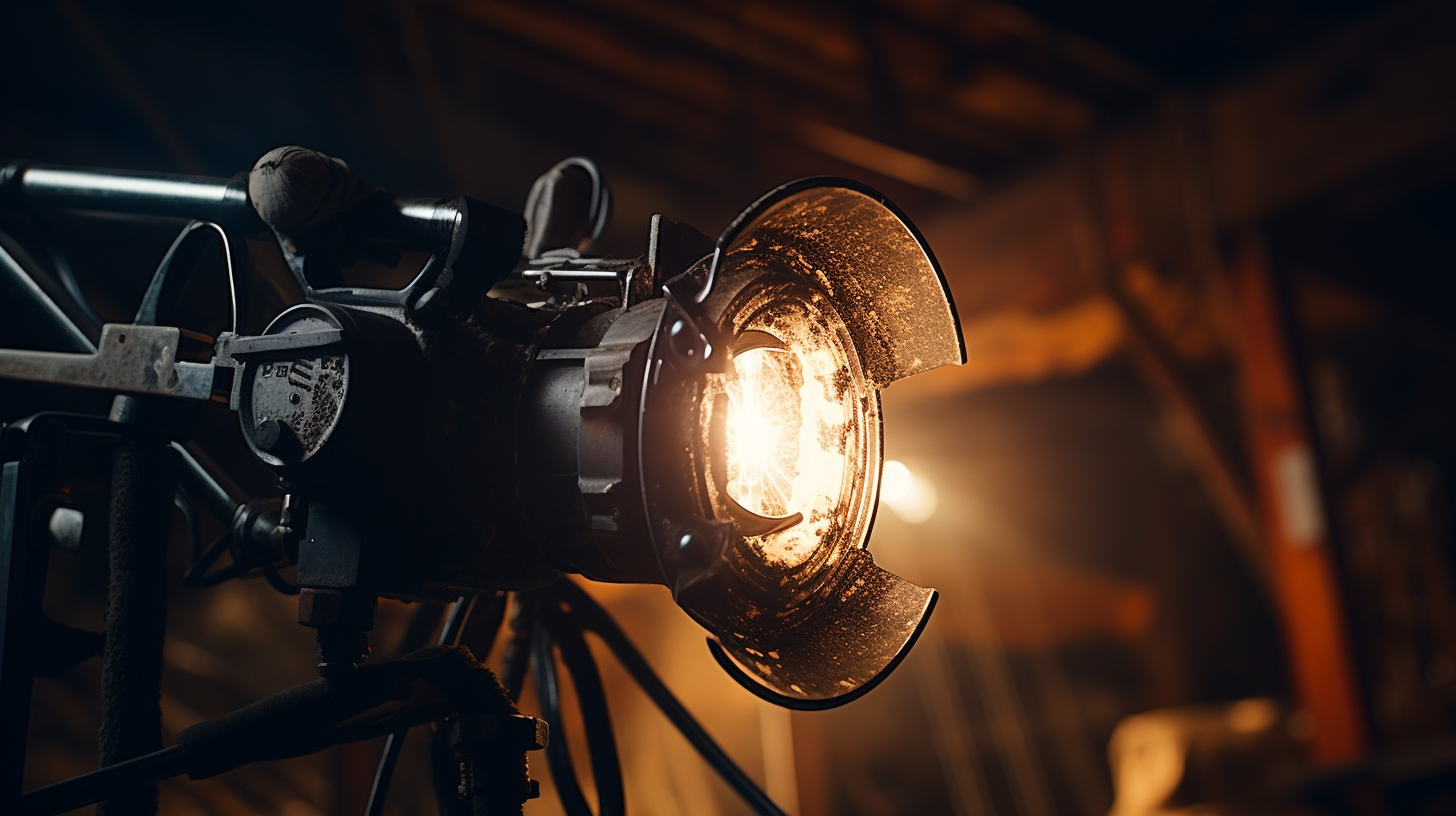

AI for lighting a film is changing how filmmakers create and control light in their scenes. In the past, getting the right lighting took a lot of time, skill, and expensive equipment. Now, AI tools can study the script or footage and suggest the best lighting setup to match the mood and feeling of each scene. These tools can adjust brightness, color, and shadows automatically to make everything look just right.
During filming, smart lights can even change in real time as the camera or actors move. After filming, AI can fix or improve lighting in editing, saving both time and money. This is especially helpful for short films or low-budget projects. AI doesn’t replace the filmmaker’s creativity it helps them work faster, use fewer resources, and still achieve a professional, cinematic look.
How AI‑Driven Tools helps in Lighting
AI-driven tools help filmmakers design and adjust lighting by analyzing scenes and suggesting optimal setups. They automate brightness, color, and shadow control, saving time and costs while enhancing visual mood and atmosphere. These tools make professional-quality lighting accessible, especially for low-budget and independent film projects.
1) Relighting and Light Simulation
Recent research enables video relighting changing lighting conditions of a recorded video, adjusting how scene is lit after shooting. For example, models that ensure temporal consistency of lighting across frames. Similarly, neural simulation tools can simulate different lighting setups, sound design tips allowing pre‑visualization of how a scene could look under different lighting angles, color temperature, shadow behavior.
2) Virtual Production / LED Volumes
Using LED walls or stages where backgrounds are virtual and lighting is matched in real time. AI and real time rendering help adjust virtual lighting to blend with physical lighting. This reduces the need for post‑visual effects and can speed up shoots. For example, large LED virtual production volumes are being developed which allow immersive environments with realistic lighting.
3) Generative AI Assistants for Lighting Design
AI that, given a script, storyboard or mood board, suggests lighting setups, color palettes, shot breakdowns, or even lighting diagrams. These tools can assist cinematographers and lighting crews in pre‑production to explore creative ideas faster.
4) Automation in Lighting Control
AI can automate dynamic lighting during shooting: changing color, brightness, or emphasis in sync with actor movement, camera motion, or scene changes. Smart lights, programmable LEDs, DMX controlled fixtures learning from scene demands.
5) Enhanced Post‑Production / VFX Integration
AI tools that can composite lighting equipment, adjust shadows, generate bloom or volumetric lighting, or even relight entire frames to match continuity. This helps when there were mismatches in lighting between shots.
Challenges of AI for Lighting a Film
- Realism vs Stylization: AI‑generated or simulated lighting may look technically correct but may lack the nuances and human artistic “feel” lighting technicians and DPs provide.
- Continuity and Consistency: Particularly in video relighting, ensuring that lighting remains consistent across frames, and matches physical set lighting is nontrivial. Errors can break immersion.
- Color Science: Human perception of color and light is very sensitive. AI tools must understand color temperature, rendering, and color shifts.
- Cost & Access: High‑end virtual production tools, LED volumes, and AI training/data resources are expensive; not all indie or short film makers will have access.
- Ethical and Creative Ownership: As AI gets involved in design and automatic light suggestions, questions arise: who owns the design? What about the role of human creativity?
- Technical Constraints: Power, rigging, safety still matter. Even with LED volumes, physical lighting has to be safe, practical, reliable.
The Future of AI in Film Lighting
- Hybrid Lighting Design Tools: Tools that combine real world setup with virtual pre‑vis, simulating how lights will fall, shadows, color, before physical setup begins.
- Real‑Time Adaptive Lighting on Set: Cameras feeding data into AI systems that adjust LED panels or lights in real time to maintain desired exposure, balance, or mood as scenes or lighting conditions change.
- Smarter LED Fixtures: Panels that can sense ambient lighting, communicate wire‑lessly, adjust color and intensity dynamically based on shot requirements.
- Wider Use of Virtual Reality / Augmented Reality for Planning: DP or gaffer can visualize lighting in VR/AR over proposed set designs and camera positions.
- Generative Lighting Styles: AI models that can propose stylized lighting inspired by famous cinematographers or styles; one could prompt “I want a noir‑film look with green‑tinged shadows and sharp barn door edges” and get suggestions.
- Democratization of Lighting Craft: As powerful tools become cheaper, more filmmakers (including low budget, student, or short film makers) will have access to high quality lighting that used to require large crews.
AI Lighting Workflow for a Short Film
To illustrate, here’s a suggested workflow for using lighting equipment and AI tools on a short film, integrating the above components.
1) Pre‑production / Pre‑vis
Read the script; identify moments of emotional intensity, times of day, scene changes. Mood boards.
Using AI tools or software to simulate lighting: visualize different key/fill/back lighting setups; test color palettes.
2) Choosing the Light Kit
Based on budget, location, power availability. Essential tools (as above). Rent or borrow to get things like LED panels, Fresnels, diffusers.
3) Setting Up the Scene
Position key light for the subject; use fill to control shadow; back/rim light for separation. Use modifiers to shape light cleanly.
4) Adjusting for Environment
If outdoors, use scrims, reflectors. If indoors, control windows, use blackout if needed. Watch for color temperature mix (sunlight vs tungsten vs LED).
5) Shooting and Monitoring
Use light meters or camera histogram to maintain exposure. Monitor shadows, saturation. Ensure consistency across takes.
6) Using AI / Virtual Tools during Shoot
For virtual production, align background LED volumes. For dynamic scenes, perhaps use AI‑assist light control.
7) Post‑production polish
Color grading; adjust lighting balance; fix mismatches. Use VFX or relighting tools if necessary and available.
How AI is Changing Film Lighting
AI for lighting a film is not just a technical upgrade it’s a creative revolution. By blending data-driven precision with artistic intent, AI allows filmmakers to shape light in entirely new ways. It can analyze a scene’s mood, predict how light will interact with sets and actors, and even make real-time adjustments during shooting. This intelligent control helps achieve cinematic depth and emotion without relying on costly gear or large crews.